

 JOIN and enjoy exclusive benefits!


The true origin of the route of Don Juan Tenorio in Seville
06/03/2019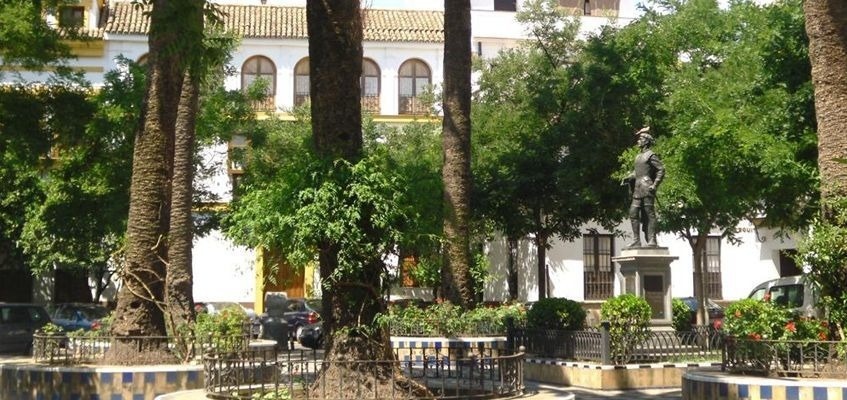
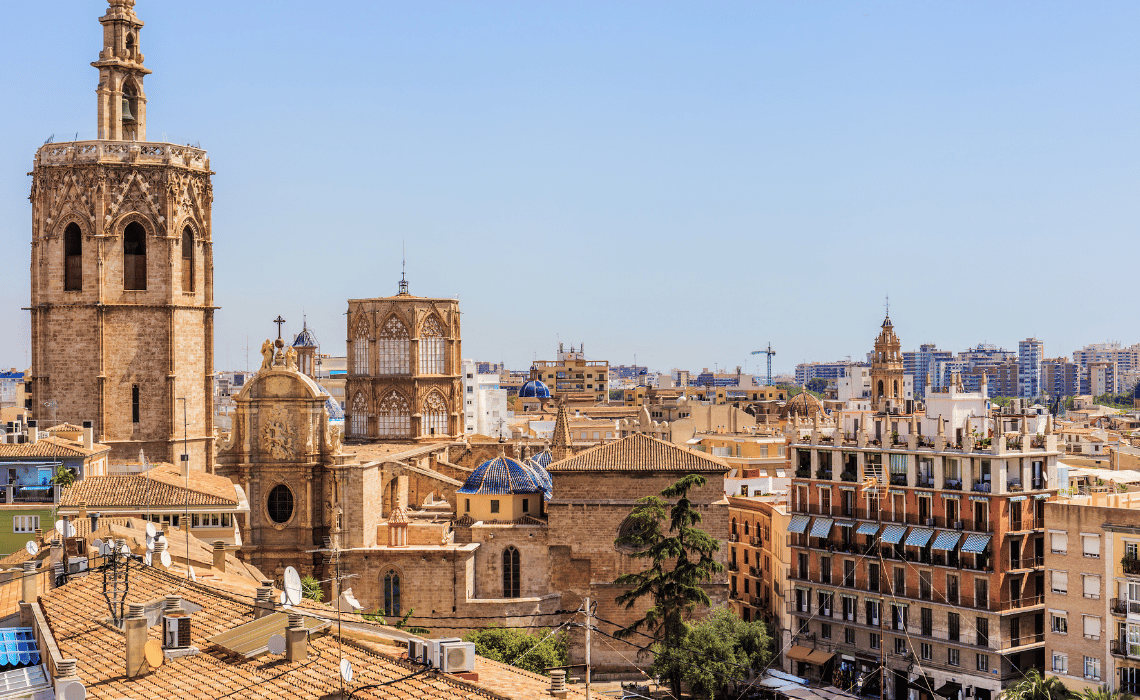
It is time to reveal the secrets of the Don Juan Tenorio route in Seville. This mythical figure is linked to its streets and its history. Mainly because José Zorrilla wrote "Don Juan Tenorio" in this city in 1844, and a large part of it in our new hotel in Seville Capital. The action of this romantic drama takes place in the Seville of 1545. And if you want to get to know the figure of Don Juan more thoroughly, we will show you the places in the city and the tourist routes that are related to the play. It is also a different and original way to get to know the city and get lost in its streets.
The first act of the story takes place in the Hostería El Laurel. As we say, the place where José Zorrilla was inspired to write the work and which is now a themed hotel to pay homage to his work. As described at the beginning of the work in one of the dialogues between the owner of the inn and Don Juan: “The Hostería El Laurel? It is here, Sir!" This place is very important to us, as it has become our Casual Sevilla Don Juan Tenorio. A hotel where we have represented part of its scenes and characters. We hope it serves as a reference for all those who want to know the true route of Don Juan Tenorio in Seville. Of course, we have kept the essence of this historic building so important to Seville Capital. Located in the city center, in the Plaza de los Venerables, it is very close to the Cathedral.
Don Juan Tenorio route step by step
The house of Doña Ana, fiancée of Don Luis Mejía, is the place where Don Juan tries to take her away to win the bet against his rival. It is located in the Plaza de la Alianza, in the Santa Cruz neighborhood. It is a very touristy square, surrounded by orange trees and with a central fountain. We continue with the Convento de la Virgen, where Doña Inés is secluded. It is not known for sure which convent it is exactly, but it is believed that it was located on Calle Calatrava, a small street in Seville that received this name because it belonged to said order. As you can see, the Don Juan Tenorio route has many secrets. In the Santa Cruz neighborhood is also the house of Don Gonzalo, father of Doña Inés. We arrive at Plaza Elvira, one of the most beautiful in Seville, surrounded by orange trees, with a small fountain and tiled benches. Here there is a ceramic sign that says:
"Tradition says that in this place, the old courtyard of comedies of Doña Elvira, the manor house of the Commander of Calatrava, Don Gonzalo de Ulloa, father of Doña Inés, had its headquarters, and that the pen of Don José Zorrilla, echoing the legend, gave life to the universal work of Don Juan Tenorio."
The house of Don Juan, where he takes Doña Inés and kills Don Gonzalo de Ulloa and Don Luis Mejía. Although it is not known for sure, popular tradition places it in the Plaza San Leandro. And the house that Don Juan buys upon his return and where he is murdered by Captain Centellas would be on Calle Génova, today Avenida de la Constitución.
Tourist routes through Seville Capital We continue with our Don Juan Tenorio route in Seville. The cemetery that appears in the work would be outside the walls of Seville. Just where the Murillo Institute is located today. Although there are doubts about whether it existed, since a Tenorio family had its own cemetery. In the Plaza de los Refinadores there is a sculpture dedicated to the figure of Don Juan Tenorio. On its pedestal we can read: “Here is Don Juan Tenorio. And there is no man for him. From the proud princess to the one who fishes in a humble boat, there is no woman who does not subscribe; and he embraces any enterprise, whether it relies on gold or courage. The quarrelsome search for him, the gamblers surround him; whoever prides himself on stopping him, to see if there is anyone who can outdo him in gambling, in combat, or in love."
Doing this route is always interesting, but if you come on October 31st, the eve of All Saints' Day, it is something unique. It is a tradition to perform the play Don Juan Tenorio by different companies or to take dramatized tours. And if you also stay in the hotel that shared history... What more could you ask for?