

 JOIN and enjoy exclusive benefits!


Porto in 48 hours: a route through the Ribeira and the historic center
30/04/2026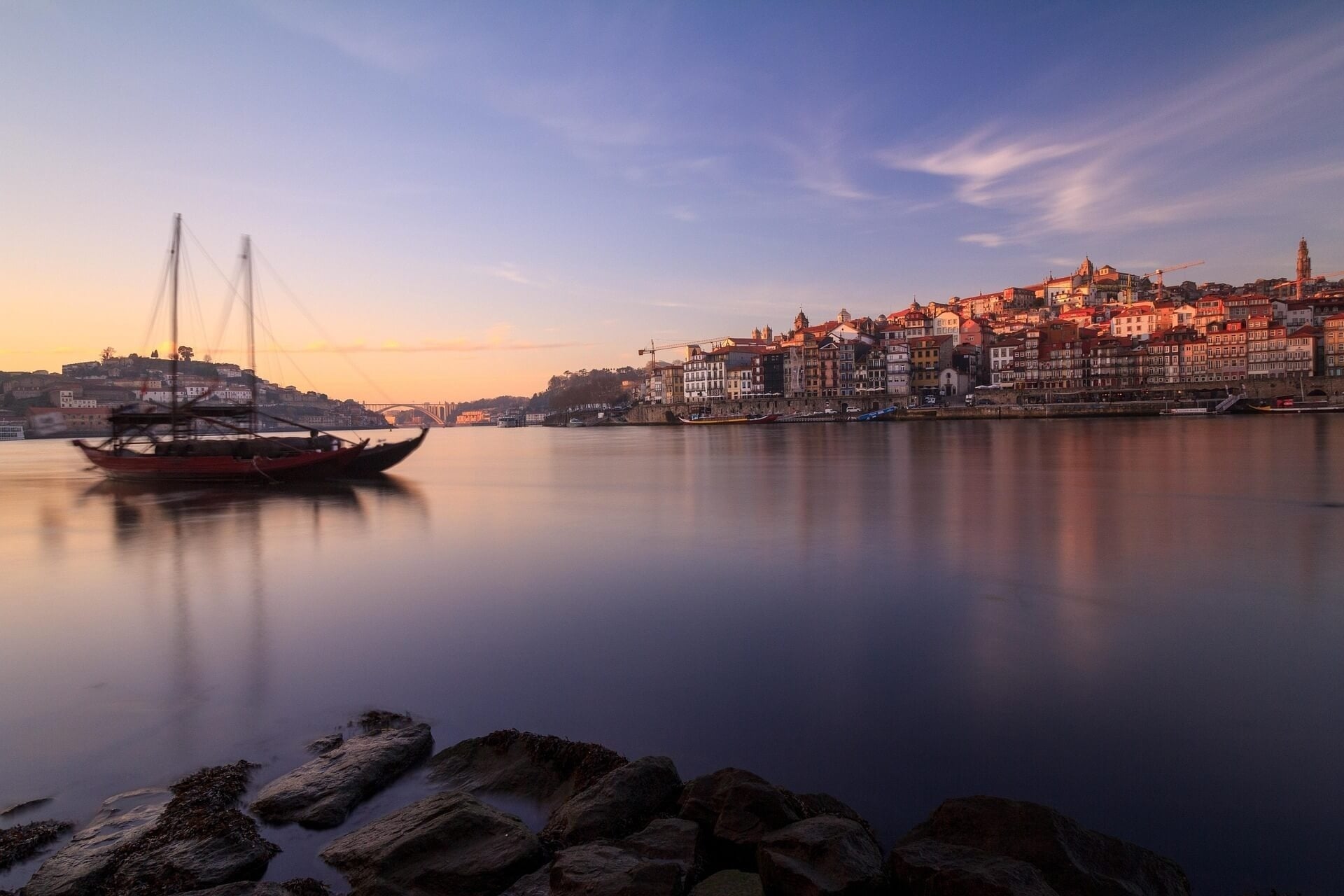
Porto is best understood in two days by following its own rhythm. The city is explored along the Douro, heading down towards the Ribeira, crossing over to Gaia, and climbing back up when the route itself demands it. If you are thinking about what to see in Porto in 2 days, this plan organizes a clear weekend, from Friday to Sunday, where everything connects: sloping streets, tiles, wine, and stops that appear naturally.
The route advances without interruptions when you follow the city's logic. You start moving and, almost without realizing it, you have already crossed a good part of the historic center.
Porto in a weekend: how to organize 48 hours
Porto is not big, but it is vertical. You go up, you go down, and you climb back up again. Even so, everything is close by and the route fits together better when you explore it on foot.
With two full days, you reach the essentials without leaving things half-done. Ribeira, the crossing to Gaia, the historic center, a wine tasting, and a francesinha make up a route that stands on its own. If you have more time, the Douro extends outside the city.
The city is better understood when you divide it into two banks and two levels. Up and down. One side and the other. The river in the middle marking the path. The Ribeira concentrates the atmosphere, the historic center gathers the icons, and Vila Nova de Gaia completes the experience with wine. Santa Catarina and Bolhão appear when the route becomes more everyday.
Friday in Porto: arrive, head down to the Douro, and start without overthinking
The first day starts fast. You arrive, drop off your backpack, and head out. The center is right there, and the river appears before you even have time to look at the map.
First contact from São Bento Station
The tiles make you pause for a moment before moving on. You head out onto the street and you are already inside the historic center, with everything close by and the route practically laid out.
Walking towards the Ribeira without a map
The streets slope downwards and the Douro appears on its own. You head down without overthinking it, linking squares, corners, and narrow streets until the river opens up in front of you.
Sunset in the Ribeira by the Douro
The Ribeira changes when the light fades. The terraces fill up, the reflection on the water appears, and the rhythm slows down without anything special having to happen.
Dinner near the river to get into the flow
Dining near the Douro keeps the plan going without breaks. You finish, get up, and keep walking. The night is already underway.
Saturday in Porto: cross the river, taste the city, and understand it
The second day is where everything clicks. You go up, go down, cross the river, and start to understand how the city connects without needing to overthink it.
Morning: Sé, cobbled streets, and first views
The day starts in the upper part. The Sé do Porto opens the route with a view that puts everything in perspective: the Ribeira below, the Douro marking the path, and Gaia on the other side.
You head down cobbled streets, linking corners without looking at your phone. The route forms itself, with that background noise that mixes trams, conversations, and open cafes.
Midday: Ribeira and a walk along the Douro
The river appears again without warning. The Ribeira concentrates the movement, the terraces, and that point where you decide whether to stop or keep going.
The Cais (wharf) stretches out and each section changes slightly. Here the plan adapts on its own, walking and stopping when your body asks for it.
Afternoon: cross the Dom Luís I Bridge towards Gaia
Crossing the bridge is part of the journey. From above, Porto stays behind, the Douro opens up below, and Gaia appears in front with another perspective.
On the other side, the atmosphere changes. Vila Nova de Gaia revolves around wine, with wineries lining the shore.
Some of the best-known, such as Sandeman, Taylor's, or Graham's, combine history, views, and tastings that fit well at this point of the day.
Sunset: Gaia with views of the Ribeira
Sunset is best experienced from this side of the river. The light falls on the rooftops of the Ribeira and the reflection on the water changes the rhythm without anything specific happening.
You can stay at one of the nearby viewpoints or simply head down towards the river and prolong the moment.
If you prefer a quieter plan, the Miradouro da Vitória, already in the historic center, offers another more secluded perspective.
Sunday in Porto: markets, tiles, and viewpoints
The last day changes the pace. Less walking, more breaks. The city opens up in details that went by faster the previous day.
Morning: Mercado do Bolhão and Santa Catarina
The day starts with real movement. The Mercado do Bolhão sounds, smells, and moves. Open stalls, fresh produce, and that atmosphere that marks the morning in the city.
It is open from Monday to Saturday and the rhythm is noticeable from early on. Right in front, a brief stop at the Confeitaria do Bolhão fits in well before continuing.
From there, the Rua de Santa Catarina keeps the route moving, with shops, cafes, and buildings where tiles appear without you having to look too hard for them.
Midday: Lello, Clérigos, and the center with the most history
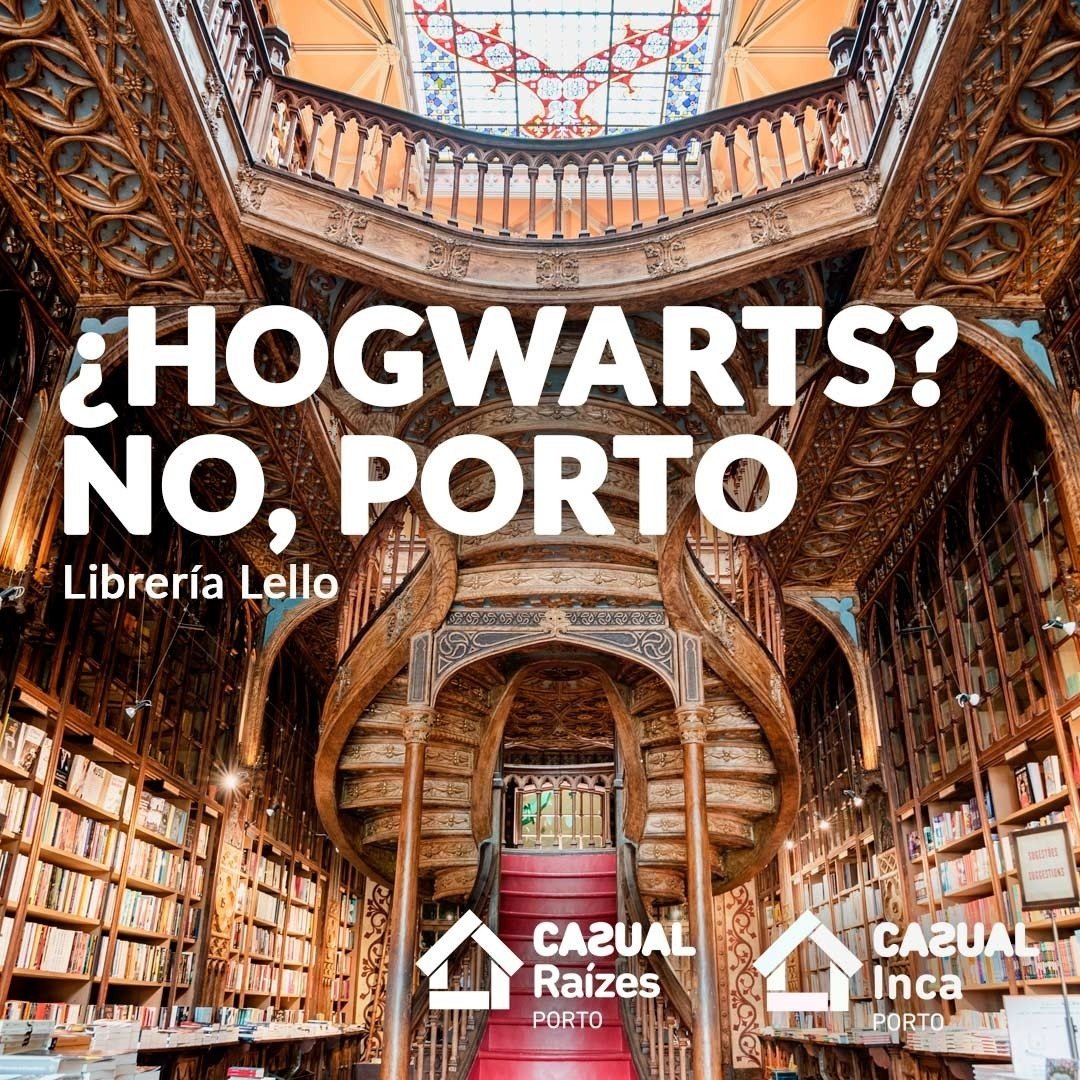
The center is covered in a small space. The Lello Bookstore has queues from early on; getting in requires some planning, especially on the weekend.
A few steps away, the Clérigos Tower marks the city's skyline. Climbing its stairs changes the perspective and lets you see the whole route from above.
Lunch: the francesinha in its context
The francesinha appears when it is time to really stop. Bread, meat, melted cheese, and a sauce that every place interprets in its own way.
Locals like Café Santiago or Bufete Fase maintain that tradition which is part of the trip. Eating around 1:00 PM fits better with the local rhythm, and the city moves with that logic.
Afternoon: viewpoints and closing the tour
Before you leave, it is worth looking at Porto one more time from above. The Miradouro da Vitória brings together the Ribeira, the Douro, and the bridge in a single image.
If the day is long, the Jardim do Morro, in Gaia, offers another more open perspective. The tour closes where it began: looking at the river.
In the final hours, small details appear: shops, tiles, some souvenir to take with you. Port wine remains the most common, along with ceramics, cork, or local soaps.
In areas with more people, keeping an eye on the basics avoids interruptions. The plan remains the same.
How to get around Porto in 48 hours without breaking the rhythm
Moving well makes everything fit from the beginning. In Porto, most of the route is covered on foot.
Arriving from the airport is direct. The metro line E connects to the center in about 30 minutes, with a stop at Trindade as a key point. The Andante card allows you to move easily throughout the weekend.
Walking as the basis of the route
The center, the Ribeira, and Gaia are naturally connected. You go up, go down, and cross the river without needing to reorganize the plan.
Occasional support when the day calls for it
The Guindais funicular helps on the steepest sections. Tram 1 runs along the Douro bank at a different pace. Metro line D crosses the upper part of the bridge, with a different view of the route.
Schedules and the day's real rhythm
Eating around 1:00 PM and dining around 8:00 PM fits better with the city. The slopes are part of the plan and set the rhythm.
Where to sleep to follow the route without changing the plan
When the day ends, the next one starts from the same point. Choosing where to sleep well allows the route to continue without having to reorganize anything.
In Porto, staying in the center allows you to head out onto the street and keep walking without thinking about transportation.
- Options like Casual Raízes Porto fit a rhythm closer to the neighborhood. It is in the Santa Catarina area, a few steps from Bolhão and the real movement of the city.
- If the day calls for more of a break when you return, Casual Inca Porto offers a more spacious stay, also within the center, with easy access to the key points of the route.
The difference lies in how you end the day and how you start it the next day. The plan does not change. Only the rhythm changes.
Porto in 48 hours and the feeling that the journey continues
The city stays with you when you know how to move through it. The Douro, the bridge, and the streets reappear even after you have already walked them.
Two days are enough to understand Porto. And they make it clear where to continue next time.
Before you wrap up, look at the entire route at a glance.
Summary of the 48-hour itinerary
The route fits together on its own when you follow the rhythm of the city. You go up, go down, cross the river, and each part of the day connects to the next without having to think too much about it.
| Day | Morning | Afternoon | Evening |
|---|---|---|---|
| Friday | Arrival and first steps | Walk through the Ribeira | Dinner by the Douro |
| Saturday | Historic center and views | Crossing to Gaia and wineries | Sunset with wine |
| Sunday | Bolhão and Santa Catarina | Lello, Clérigos, and viewpoints | Closing the tour |
The thread is always the same: the river, the bridge, and the way the city is explored on foot.
Consulted sources
- Tourism of Porto and Northern Portugal
- Metro do Porto (lines E and D, Andante card)
- Caves de Vila Nova de Gaia (Sandeman, Taylor's, Graham's)
- Lello Bookstore and Clérigos Tower
- Porto City Council